22 March 2026
Why Our Thekua Has No Preservatives (And Why It Matters)
Our thekua is preservative-free — no additives, no shortcuts. Learn how traditional ingredients keep homemade thekua fresh and safe for your family.
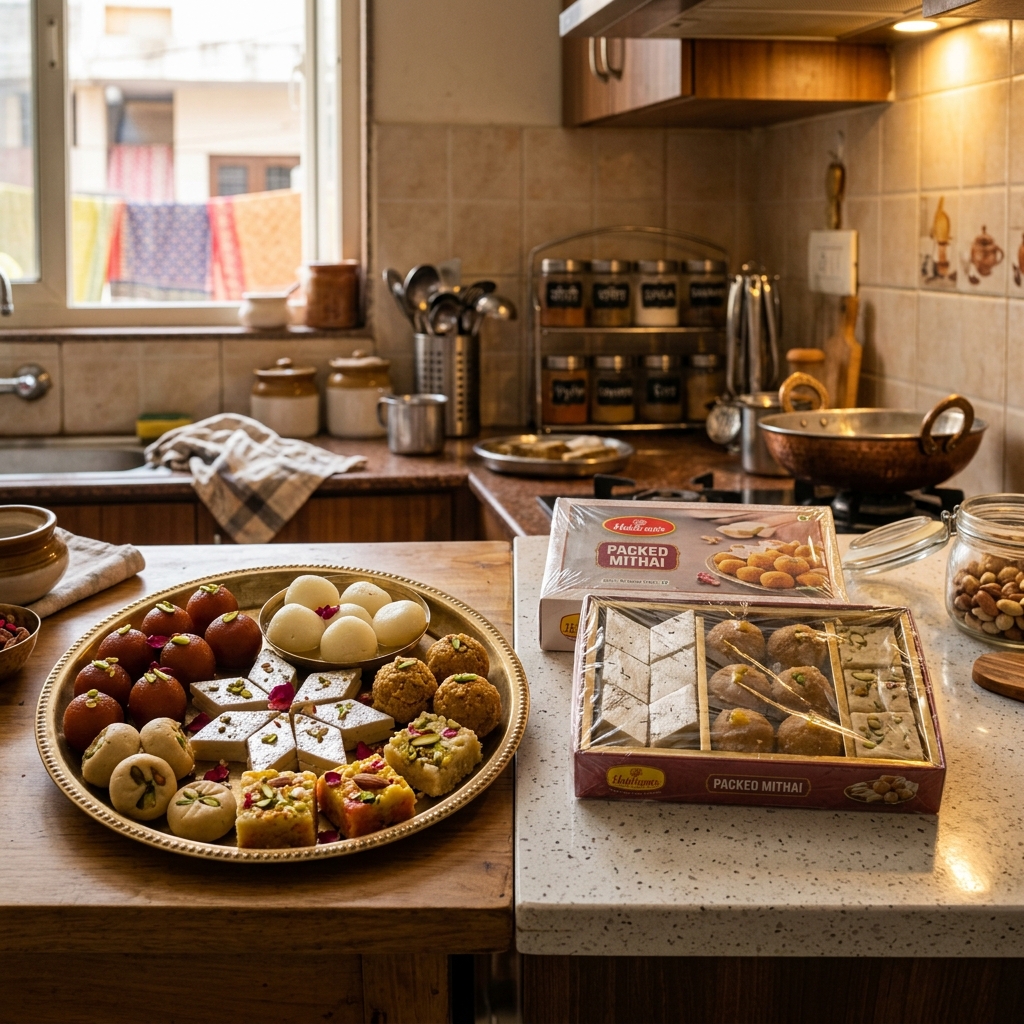
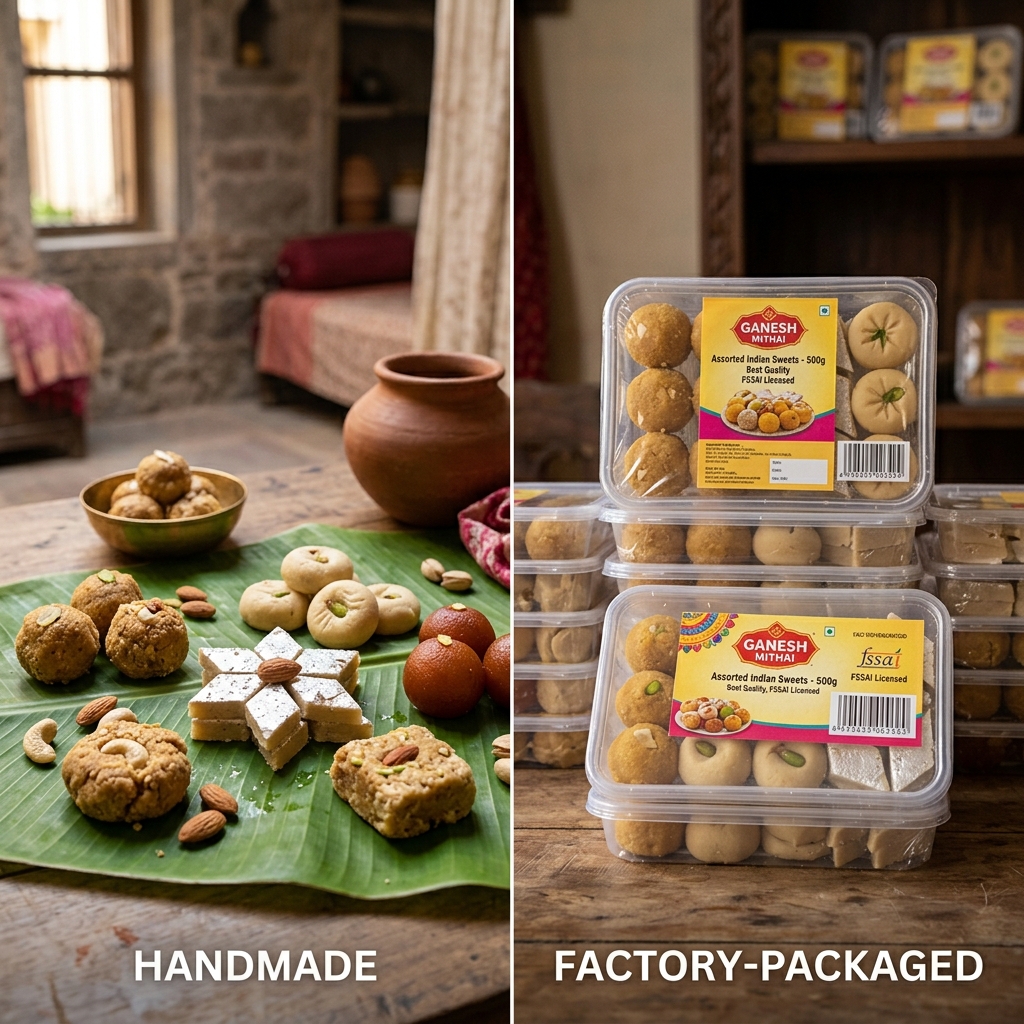
Pick up any packaged Indian sweet from a store shelf. Turn it around. Read the ingredients. Somewhere between sugar and colour, you will find names like sodium benzoate, potassium sorbate, or calcium propionate. These are preservatives — chemicals that stop food from going bad. The question is: if your grandmother never needed them, why do modern sweets?
Direct answer: preservative-free thekua reduces additive exposure and keeps ingredients closer to traditional home standards. For searches like preservative-free Indian sweets and no preservatives thekua benefits, freshness plus clean ingredients are the key reasons.
Many families describe this same balance as shudd swad in everyday food choices.
What Preservatives Do in Packaged Indian Sweets
Preservatives serve one purpose: they extend shelf life. This benefits the manufacturer and retailer, not you. A sweet that lasts eight months on a shelf has been engineered for logistics, not for your kitchen.
Common preservatives found in packaged Indian sweets:
- Sodium benzoate (E211): prevents mould and yeast growth. Can form benzene (a carcinogen) when combined with vitamin C.
- Potassium sorbate (E202): inhibits fungal growth. Generally considered safe in small doses, but cumulative exposure from multiple foods adds up.
- BHA and BHT: synthetic antioxidants that prevent fats from going rancid. Debated health concerns internationally.
- Sulphur dioxide (E220): used to maintain colour in dried fruits and some sweets. Can trigger asthma and allergic reactions.
Individually, most of these are within safety limits. But when your daily diet includes multiple preserved foods — bread, sauces, snacks, sweets — the total chemical intake is impossible to track.
How Traditional Sweets Stayed Fresh Without Chemistry
For centuries, Indian kitchens preserved sweets naturally. The methods were simple and effective:
- Ghee acts as a natural moisture barrier, slowing microbial growth
- Jaggery has lower water activity than sugar syrup, making it naturally resistant to bacteria
- Deep frying reduces moisture content to levels where mould cannot thrive
- Airtight steel containers and cool, dry storage did the rest
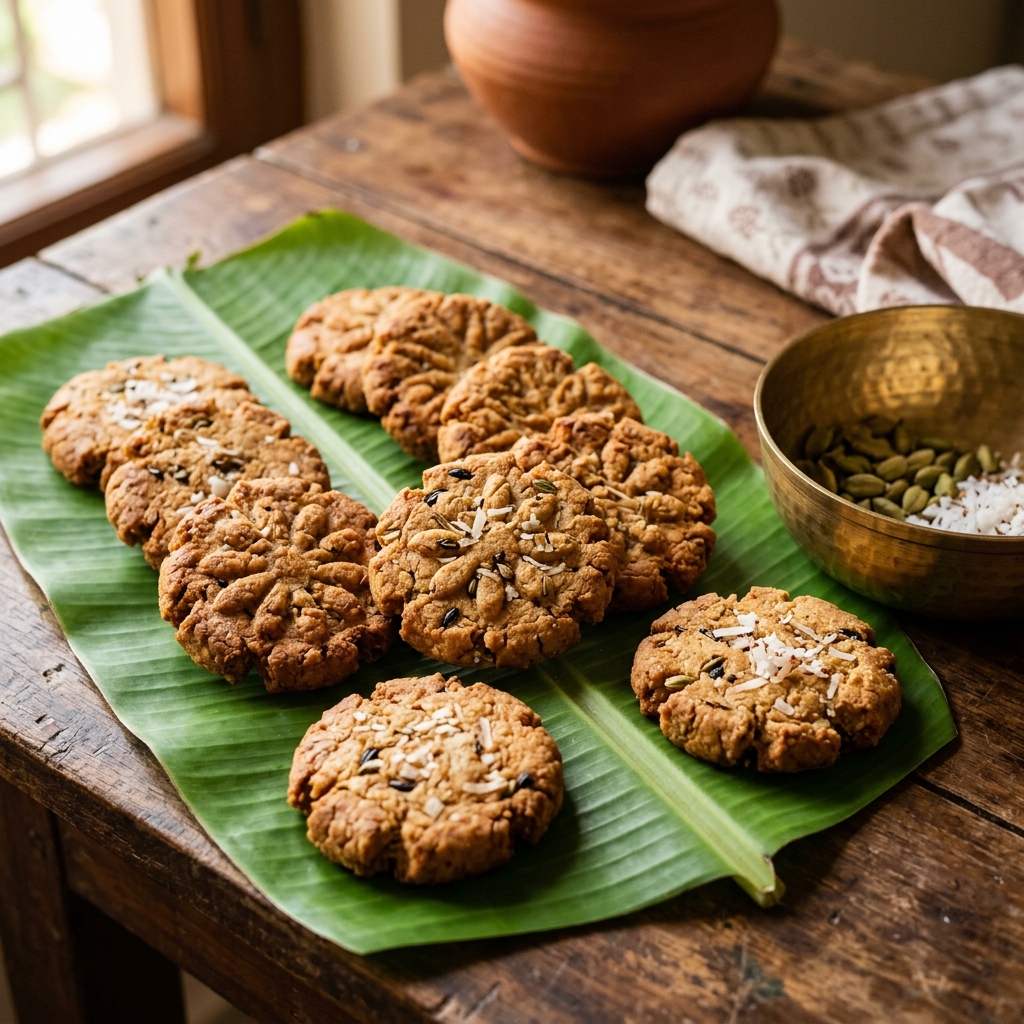
This is exactly how moms made sweets at home. No lab, no chemicals. Just smart cooking and proper storage. The shelf life was shorter, but the food was unquestionably real.
Why We Chose the Harder Path
Going preservative-free is a business disadvantage. Our thekua has a shorter shelf life, needs faster shipping, and requires more careful packaging. All of this costs more.
We chose this path anyway because it is the only honest path. If we claim to make traditional thekua, adding preservatives would be a contradiction. No Bihari grandmother ever reached for potassium sorbate while making Chhath prasad.
Our approach instead:
- Make in small batches so nothing sits around waiting to be shipped
- Use pure ghee which naturally extends freshness
- Package in food-grade sealed pouches that minimise air exposure
- Ship quickly so the product reaches you within days of making, not months
What "Preservative-Free" Should Mean to You
When a brand says preservative-free, verify it. Read every word on the ingredient list. Look for:
- No E-numbers (E200s, E300s are common preservative codes)
- No "permitted class II preservatives" — this legal phrase hides specific chemicals
- Short, recognisable ingredient lists: wheat, jaggery, ghee, coconut. That is it.
- Reasonable shelf life claims — if it claims 6+ months without refrigeration, something is doing the preserving
Frequently Asked Questions
How long does preservative-free thekua last?
About 10-15 days at room temperature, 3-4 weeks refrigerated. Shorter than preserved alternatives, but made entirely of real food. See our full product details.
Are preservatives in sweets dangerous?
Most are within legal safety limits individually. The concern is cumulative exposure across your entire diet. Choosing preservative-free where possible reduces your total intake over time.
How do you keep thekua fresh without preservatives?
Pure ghee, proper frying to remove moisture, sealed packaging, and fast shipping. These are the same principles Indian kitchens have used for centuries, adapted for delivery.
Preservative-free is not a trend for us. It is a return to how food was always meant to be: real, honest, and temporary. Because good food should not need a chemistry lab. For more on our food philosophy, read our blog.
More to read